Terrible Trio
TerribleTrio
Can we live without petrol, gas and coal?
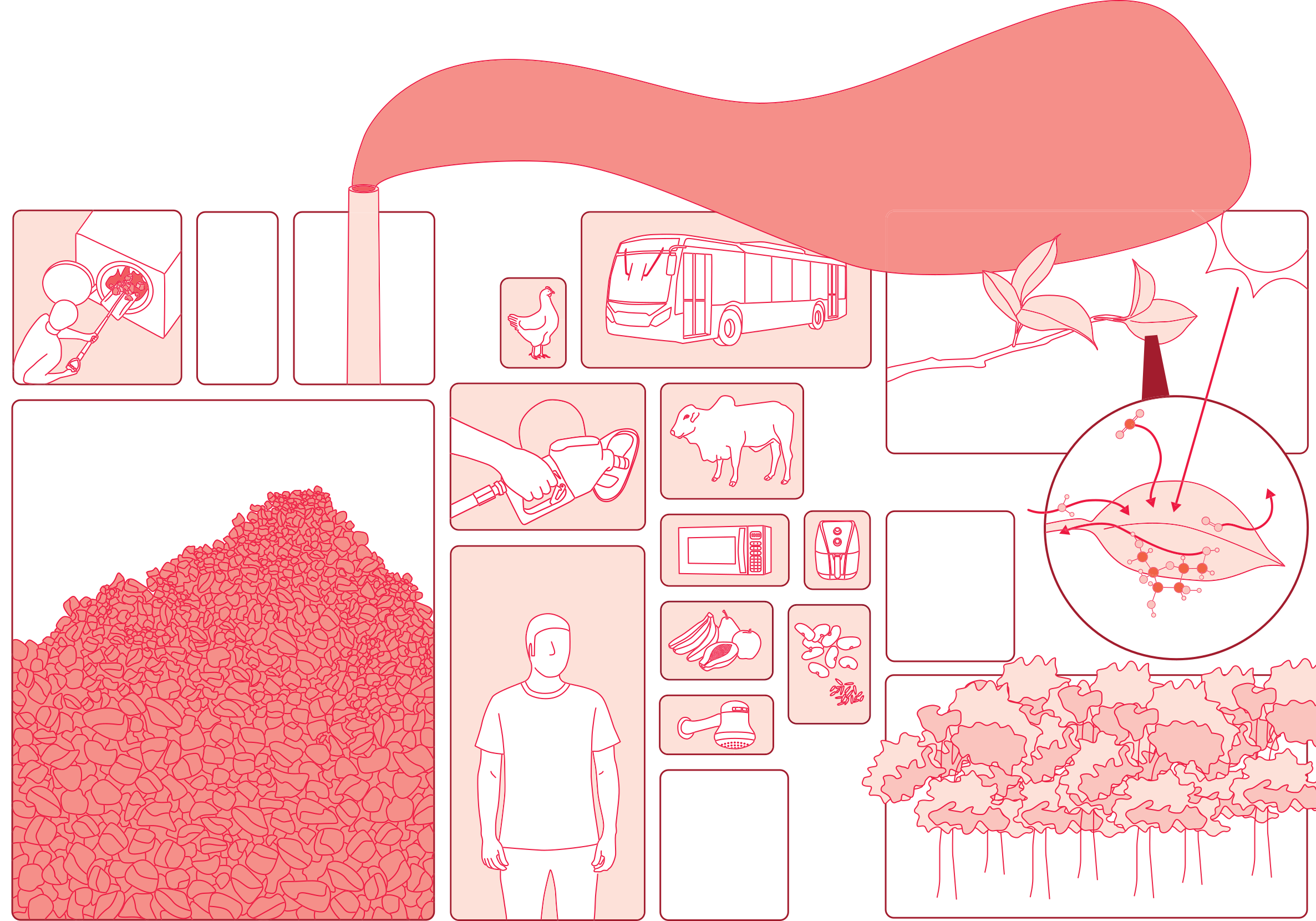
Eighty percent of energy consumed in the world comes from the remains of living beings that died millions of years ago and were buried, decomposed and slowly baked within the Earth’s crust. These creatures transformed into coal, petroleum and fossil gas, and today they power our cars, light our homes, shape our economy - and destroy our lives. The climate crisis is directly tied to our dependence on fossil fuels, and humanity must move away from them, beginning this decade. The good news is that renewable alternatives are now accessible, competitive, and, in much of the world, even cheaper.
Emissions curve for transportation in Brazil
224 million tons of CO2e in 2023, the most recent available data.
The use of fossil fuels in Brazil differs from that of other countries. Here, the largest consumer of this energy source is transportation, especially road freight transport. This stems from the shift to highways in the second half of the 20th century, making Brazil a rare example of a continental country where most cargo travels by truck rather than train. Diesel is the main fossil fuel consumed in the country, and trucks alone emit 42% of the total carbon emissions from the transportation sector.
Transportation accounted for half (53%) of all emissions from Brazil's energy sector in 2023, according to data from the SEEG/Climate Observatory.
DID YOU KNOW JUST A SINGLE DOMESTIC FLIGHT HAS A HUGE IMPACT?
If a plane with 170 passengers (such as an A320) takes off from Rio de Janeiro bound for Brasília, that round trip emits approximately 34 tons of CO₂. This amounts to:

Burning 25.5 tons of coal.
Three years of emissions from an average Brazilian.
The absorption of 11,500 trees in the Amazon over an entire year.
Air transport has by far the worst record for pollution per passenger.
We need to eliminate oil from our lives – but it's hard!
Oil isn't just in the fuel tanks of our cars, buses, and planes, nor just in our cooking gas cylinders. Every day, you wake up and go to sleep surrounded by petroleum products, from the plastic in your computer to your food packaging (and some ingredients in the food itself!) and even the moisturizer you apply to your body. All of these products are derived from petrochemicals, a ubiquitous industry that helps maintain the reign of fossil fuels over the Earth.

- 1
Shampoos and petroleum-based chemicals
- 2
Cosmetics (lipstick, nail polish)
- 3
Contact lenses
- 4
Liquid soaps
- 5
Toothbrushes
- 6
Creams
- 7
Disposable diapers
- 8
Sanitary pads
- 9
Disposable syringes
- 10
Surgical gloves
- 11
Masks
- 12
Medicine packaging

- 1
Computers
- 2
Cell phones
- 3
Televisions
- 4
Insulated cables and wires
- 5
Sneakers with synthetic rubber soles
- 6
Plastic toys
- 7
Plastic packaging
- 8
Adhesive tapes
- 9
Rugs and carpets

- 1
Sports balls
- 2
Surfboards
- 3
Paints and varnishes
- 4
Styrofoam
- 5
Tires
- 6
Fuel (gasoline, diesel, aviation kerosene)
- 7
Plastic and rubber parts in cars, motorcycles, bicycles and airplanes

- 1
Sportswear made of synthetic fabrics
- 2
Buckets and basins
- 3
Sponges
- 4
PVC pipes