Energy
Energy
Prosperity, but at what cost?
The use of fossil fuels over the last 150 years has revolutionised human existence. Today we are more numerous, more prosperous and we live longer because we have learned to use energy extracted from the depths of the Earth. But this has come at a price: the carbon emitted by burning these substances has broken the Earth’s climate machine and today threatens the futures of 8 billion people on a planet where the temperature has already risen by 1.5oC and this number could double in the coming decades.

Would this population growth have happened if it weren't for the changes in our energy use?
Over the course of 10,000 years, using wood and animal power as the principal sources of energy, the population on Earth grew from 5 to 500 million inhabitants. Thanks to the abundance of fossil fuels, over the last 180 years we have reached almost 8 billion inhabitants. We are entirely dependent on fossil energy today. But these sources also lead to wars, pollution-related deaths, and an increase in the concentration of carbon in the atmosphere, resulting in rising temperatures on the planet.
RENEWABLE ENERGY
THE ECONOMY
Humanity still depends on fossil fuels, but not for lack of alternatives. Solar photovoltaic installations have grown nearly 5,000% since 2010; wind power, nearly 570%. Today, these sources are also among the cheapest on the planet: the price of a solar panel has fallen 99.6% since the 1970s, from $106 per watt in 1976 to $0.38 in 2019. In 2024, a megawatt of wind electricity cost $49 worldwide, less than half the cost of a megawatt of coal ($115).
Even so, fossil fuels, which receive hefty subsidies from governments around the world, still accounted for almost 55% of the increase in energy demand between 2011 and 2021. These energies are not replacing fossil fuels, but adding to them.
Discover some renewable energy sources (that do not emit carbon):
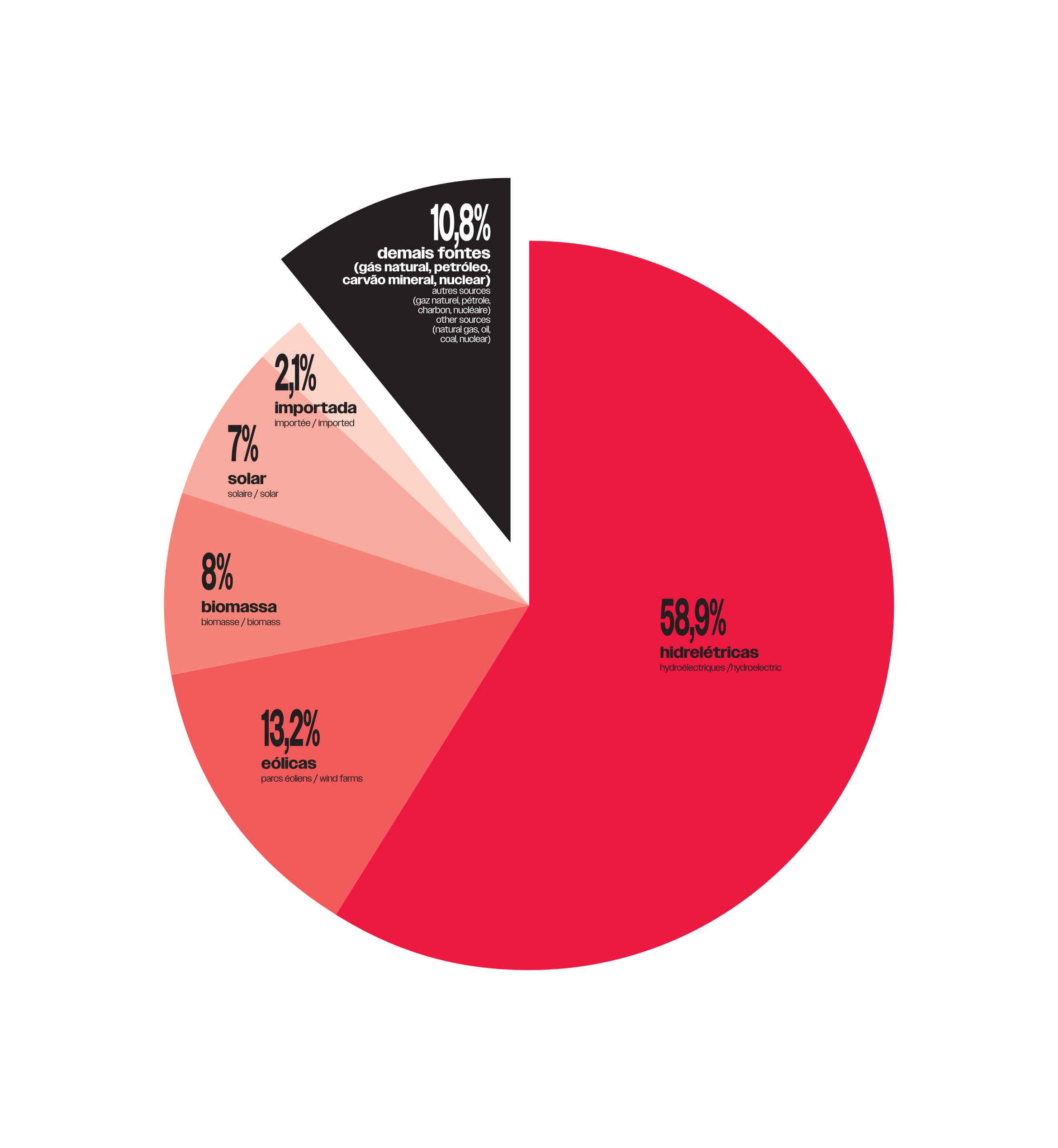
89.2% of Brazil's electricity production came from renewable sources in 2023.
BEN 2024 Ministry of Mines and Energy
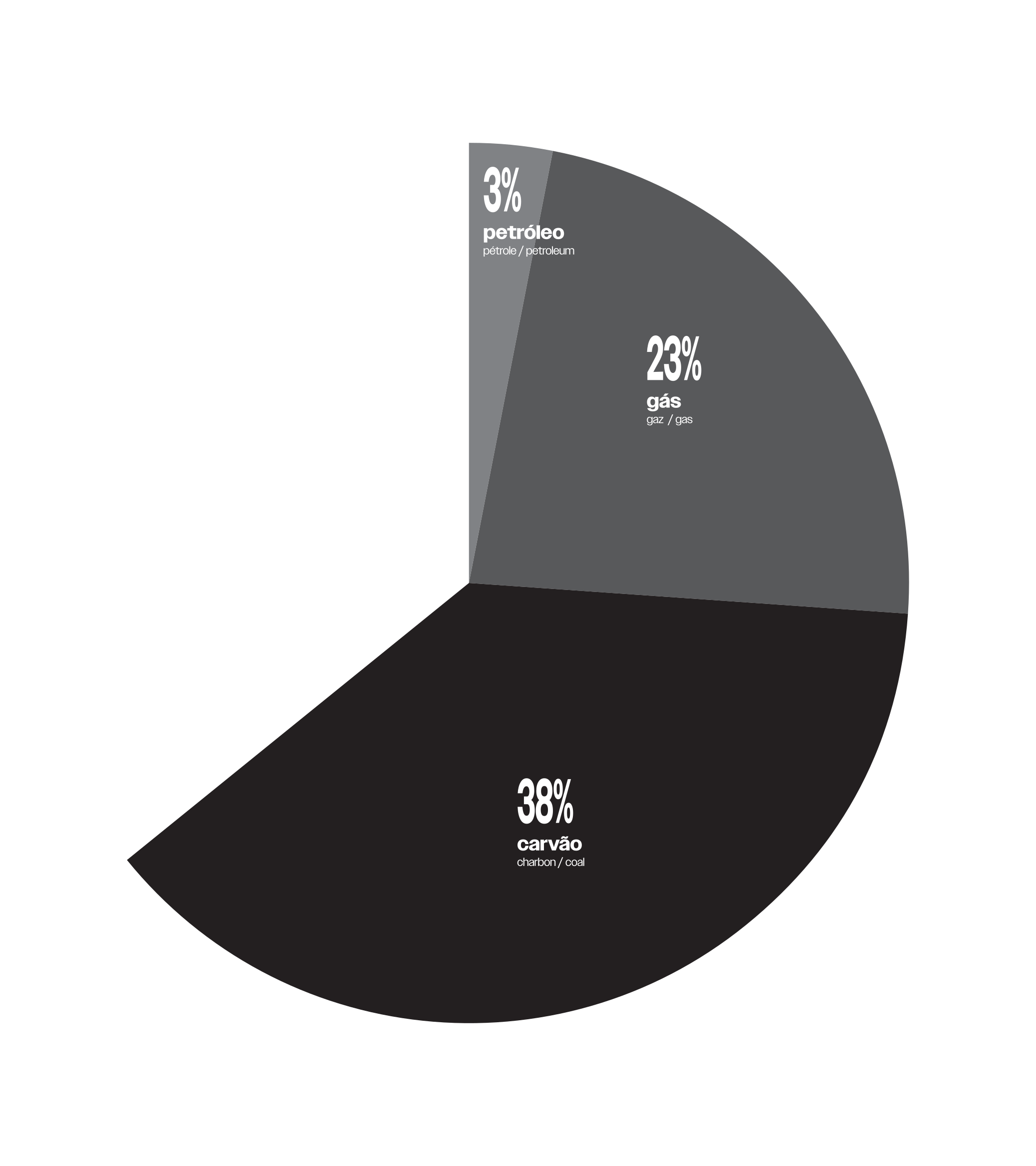
64% of global electricity production comes from fossil fuels.
Production of electricity accounts for 40% of global emissions (33% from coal).
Brazil's electricity grid is predominantly renewable. This is largely due to a geographical coincidence: we are a country with many waterfalls, ideal for the construction of hydroelectric plants. Worldwide, coal—the most polluting fossil fuel, but also the cheapest and most abundant—remains the main source of electricity. This is why electric cars in Brazil are a much lower-emission option than in countries like China and the United States.
The challenge of the century:
by 2050, renewable energy must have replaced most of the fossil energy we use today.
Renewable energy is the fastest growing energy source in the world. However, rather than replacing fossil fuels, it is actually supplementing them. Humanity is using more energy from all available sources. The infernal trio—fossil gas, coal, and oil—still accounts for 80% of the global energy demand. If humanity wants to limit global warming to the 1.5°C proposed in the Paris Agreement, fossil fuels will have to fall to 15% of the energy mix by 2050. Renewables will need to effectively replace fossil fuels.
Subsidies for energy production and consumption in Brazil in 2022*:
Renewable energies are cheaper than fossil fuels… even though they receive fewer subsidies.